
Koh Samui has no railway station. The island sits in the Gulf of Thailand with no bridge and no rail link, so a “train to Koh Samui” is always a two-part journey: an overnight train from Bangkok to Surat Thani on the mainland, followed by a bus and ferry connection to the island. The train is the long leg, and the part most travellers researching this route actually need to understand. This guide covers the train timetable, the class options that determine both price and comfort, and the onward bus-ferry transfer that completes the trip.
Why There Is No Direct Train to Koh Samui?
The State Railway of Thailand’s southern line runs from Bangkok down the Malay Peninsula as far as Sungai Kolok on the Malaysian border. Surat Thani, the provincial capital nearest to Koh Samui, sits on that line. From Surat Thani, the railway continues south, but the island is 30 kilometres offshore. No rail bridge or causeway connects it to the mainland, and the only vehicle ferries to Koh Samui operate from Donsak Pier, roughly 70 kilometres east of Surat Thani city. The train therefore stops at Surat Thani, and passengers complete the final leg by road and sea.
Bangkok to Surat Thani: The Train Leg
All long-distance trains to Surat Thani depart from Krung Thep Aphiwat Central Terminal in the Bang Sue area of Bangkok. The terminal opened in 2023 and replaced Hua Lamphong as the city’s main long-distance rail hub. Eleven trains run the route daily, departing between 07:30 and 22:50. Journey times range from 8 hours 50 minutes to 10 hours 46 minutes depending on the service.
The timetable is built around overnight travel. Most departures leave Bangkok in the late afternoon or evening and arrive at Surat Thani in the early morning, which aligns with the first ferries to Koh Samui. The morning departure, Special Express 43 at 07:30, arrives at 16:20, too late for the same day’s final ferry to the island. Using that service means an overnight stay in Surat Thani before continuing.
Train Classes from Bangkok to Surat Thani
Five classes are available on the Bangkok–Surat Thani route. The class you choose affects price, privacy, and how well you sleep.
Third Class Seat (Fan)
This is the cheapest option and the most local. Seats are padded benches with open windows and overhead fans. Third class is not recommended for the overnight run to Surat Thani. The journey is long, the seats do not recline fully, and the carriage is rarely quiet enough for proper rest. It is a viable choice only for daytime travel or for travellers prioritising the lowest possible fare over comfort.
Second Class Seat (Fan or AC)
Second class seats offer more padding and legroom than third class. Fan-cooled carriages are cheaper; air-conditioned carriages cost more and are better for daytime journeys. For overnight travel, a seat in any class is a compromise. You will arrive tired, and the first day on Koh Samui will be spent recovering rather than exploring.
Second Class Sleeper (Fan or AC)
Second class sleepers are the standard choice for this route. Each berth is a bunk bed, with an upper and lower berth on opposite sides of the aisle. Curtains provide privacy at night, and bedding is provided. Lower berths are wider and cost more than upper berths. Air-conditioned sleeper carriages are more comfortable than fan-cooled ones, especially in the humid southern climate.
The air-conditioned second class sleeper is the most popular class for this journey. It balances cost against comfort, and the berths are long enough for most adults to lie flat. The main limitation is that the carriage is open-plan, so noise from other passengers and from the train itself is part of the experience.
First Class Sleeper (AC)
First class sleepers are private cabins, usually configured for two passengers. Each cabin has two berths, a small washbasin, and a lockable door. The cabin is the width of the carriage, so the beds are arranged one above the other or side by side depending on the train. First class is the quietest and most private option. It is also the most expensive, and cabins sell out well in advance during high season.
Some services now use newer CNR (China Railway) carriages, which are fully air-conditioned and available in first and second class only. The CNR first class cabins are similar in layout to the older first class sleepers but with newer fittings.
Bangkok to Surat Thani Train Prices
Train fares are distance-based and class-based. The prices below are indicative for the Bangkok–Surat Thani route and are subject to change.
| Class | Indicative Fare (THB) | Approximate USD |
|---|---|---|
| Third Class Seat (Fan) | From 216 | $6–7 |
| Second Class Seat (Fan) | From 354 | $10–11 |
| Second Class Sleeper (Fan) | From 454 | $13–14 |
| Second Class Seat (AC) | From 524 | $15–16 |
| Second Class Sleeper (AC), upper berth | From 654 | $19–20 |
| Second Class Sleeper (AC), lower berth | From 754–854 | $22–25 |
| First Class Sleeper (AC) | From 1,132 | $33–34 |
| First Class Sleeper (CNR, private cabin) | From 1,532–1,832 | $45–54 |
Fares for second class sleeper are split by berth position. Lower berths are wider and more expensive than upper berths. First class cabins are priced per cabin, not per person, so the cost is the same whether one or two passengers occupy it. A solo traveller in first class pays the full cabin fare.
Prices shown are for the train leg only. The bus and ferry connection from Surat Thani to Koh Samui is a separate ticket unless you book a combined train-and-ferry package through an agent.
Overnight Train Options: Which Departure to Choose
The two most practical overnight services for reaching Koh Samui are Express 85 and Express 83. Both depart Bangkok in the evening and arrive at Surat Thani in the early morning, allowing a same-day bus and ferry connection to the island.
| Train | Depart Bangkok | Arrive Surat Thani | Duration |
|---|---|---|---|
| EX 85 | 19:50 | 06:23 | 10h 33m |
| EX 83 | 18:50 | 04:58 | 10h 08m |
| SP 39 | 22:50 | 07:50 | 9h 00m |
Express 85 is the most common choice. Its 06:23 arrival at Surat Thani aligns with the first buses to Donsak Pier and the morning ferries to Koh Samui. Express 83 arrives earlier, at 04:58, which means a longer wait at Surat Thani station before the first bus departs. Special Express 39 departs Bangkok latest and arrives latest, which can make the bus-ferry connection tight if the train runs behind schedule.
The final ferry from Donsak to Koh Samui leaves in the late afternoon. If you take the morning Special Express 43 from Bangkok, you will not reach Surat Thani in time to catch it. That service is only useful if you plan to overnight in Surat Thani and continue the next morning.
Surat Thani to Koh Samui: The Bus and Ferry Connection
Surat Thani has two relevant rail points. The main Surat Thani station is at Phun Phin, about 12 kilometres west of the city centre. Some trains also stop at Surat Thani city, but Phun Phin is the primary arrival point for travellers heading to the islands.
From Phun Phin, the onward journey has two steps: a bus or van to Donsak Pier, then a ferry to Koh Samui. Several operators run the combined bus-ferry service. The main ones are Seatran, Raja Ferry, and Lomprayah.
Bus from Surat Thani to Donsak Pier
Buses and vans depart from Surat Thani train station and from Surat Thani city centre throughout the morning. The journey to Donsak Pier takes about 1 hour 15 minutes to 1 hour 30 minutes. The first departures are timed to meet the morning train arrivals. A bus ticket alone costs around 250 THB, but most travellers book a combined bus-and-ferry ticket.
Ferry from Donsak Pier to Koh Samui
Three operators run ferries from Donsak Pier to Koh Samui. Each lands at a different pier on the island, which affects the onward taxi to your accommodation.
- Seatran Ferry: Runs hourly from 05:00 to 19:00. Crossing time is 1 hour 30 minutes. Lands at Nathon Pier on the west coast. Foot passenger fare around 180 THB ($7). The most frequent service and the easiest to match with a bus arrival.
- Raja Ferry: Runs hourly from 05:00 to 19:00. Crossing time is 1 hour 30 minutes. Lands at Lipa Noi Pier, also on the west coast but further south than Nathon. Foot passenger fare around 180 THB, the cheapest option. Raja is the only operator that carries vehicles.
- Lomprayah High Speed Catamaran: Two daily sailings from Donsak, typically at 11:00 and 15:00. Crossing time is 45 minutes, the fastest option. Lands at Nathon Pier. Foot passenger fare around 350–450 THB ($10–13) booked online, higher if purchased at the pier. Passenger-only; no vehicles.
Seatran and Raja run conventional car-and-passenger ferries on a slower crossing. Lomprayah runs a passenger catamaran that is significantly faster but has a much thinner schedule. If your train arrives in the morning, Seatran or Raja give you the most flexibility. If you are confident of your arrival time and want to minimise time at sea, the Lomprayah catamaran is the faster option.
Nathon Pier is the main arrival point for most travellers. It sits on the west coast, and the onward taxi or songthaew to the popular east-coast beaches (Chaweng, Lamai, Bophut) takes 30 to 45 minutes depending on traffic. Lipa Noi Pier is further south, which adds time and cost to an east-coast transfer but can be closer for some southern beaches.
Combined Train and Ferry Tickets
Several booking platforms sell a single ticket covering the train from Bangkok, the bus from Surat Thani to Donsak Pier, and the ferry to Koh Samui. These combined tickets simplify the connection: you do not need to arrange each leg separately, and if the train is delayed, the operator is responsible for getting you onto a later ferry. The total cost for a second class AC sleeper plus bus and ferry typically falls between 1,100 and 1,700 THB ($34–52) depending on the class and the ferry operator.
Buying the train ticket separately and arranging the bus-ferry connection on arrival is also possible. It gives more flexibility in choosing a ferry operator but requires you to manage the transfer yourself. At Surat Thani station, operators meet arriving trains and sell bus-ferry tickets on the concourse or in the car park. Look for the signboard of the company you booked with, or approach the counters inside the station.
Booking the Train from Bangkok to Surat Thani
Train tickets can be booked through the State Railway of Thailand’s official D-Ticket platform (website and mobile app), at any railway station ticket window, or through third-party booking agents. The D-Ticket platform requires account registration with email verification and accepts passport details for foreign travellers.
Sleepers sell out. For travel during Thai public holidays, school breaks, or the high season (roughly November to March), book two to three weeks in advance. First class cabins are the first to go. Second class lower berths are the next most popular. If your travel dates are fixed, booking early is not optional.
Third-party agents such as 12Go, YesMyTrips, and Bookaway list the same trains and sleepers, often with a service fee. They can be useful if you want to book the train and the bus-ferry connection in one transaction, or if the D-Ticket interface is difficult to navigate.
Luggage on Thai Trains
Thai Railways publishes a luggage allowance by class: up to 30 kg for third class, 40 kg for second class, and 60 kg for first class. There is a strict policy against overweight or oversize luggage. In practice, enforcement varies, but the allowance gives a working guideline. Large backpacks and suitcases fit in the luggage racks above the seats in second class or in the space at the end of the carriage. In first class cabins, luggage is stored inside the cabin.
Food and Drink on the Train
Overnight trains on this route may have a dining car or a trolley service. The dining car is not always available, and when it is, the menu is limited. Bringing your own food and water is a practical precaution. Surat Thani station has limited food options, mostly basic Thai dishes and a small selection of snacks. If you arrive early in the morning and need breakfast before the bus to Donsak, the station area has a few vendors, but the choice is narrow. Eating before you board the train in Bangkok is a better strategy.
What the Journey Is Actually Like
The Bangkok–Surat Thani train is a long overnight run through the Thai peninsula. The route passes through flat agricultural land, palm plantations, and small provincial towns. In second class, the carriage converts from seats to berths in the evening. The attendant folds down the upper berths and makes up the lower berths with sheets, pillows, and blankets. Lights are dimmed, and most passengers sleep. The train rocks and the engine noise is constant, but the motion is generally smooth enough for sleep.
Air-conditioned carriages can be cold at night. A light sweater or a second layer is useful even in the tropics. In fan-cooled carriages, the temperature is closer to the outside air, which is humid but not uncomfortable for most of the year.
Arrival at Surat Thani is in the dark for most overnight trains. The station is busy with travellers making the same connection. If you have booked a combined ticket, staff will direct you to the correct bus. If you have not, follow the signs or ask at the information desk. The transfer to Donsak Pier is straightforward, but it does require you to move from the train to a bus or van within a short window.
Alternatives to the Train for the Bangkok–Koh Samui Route
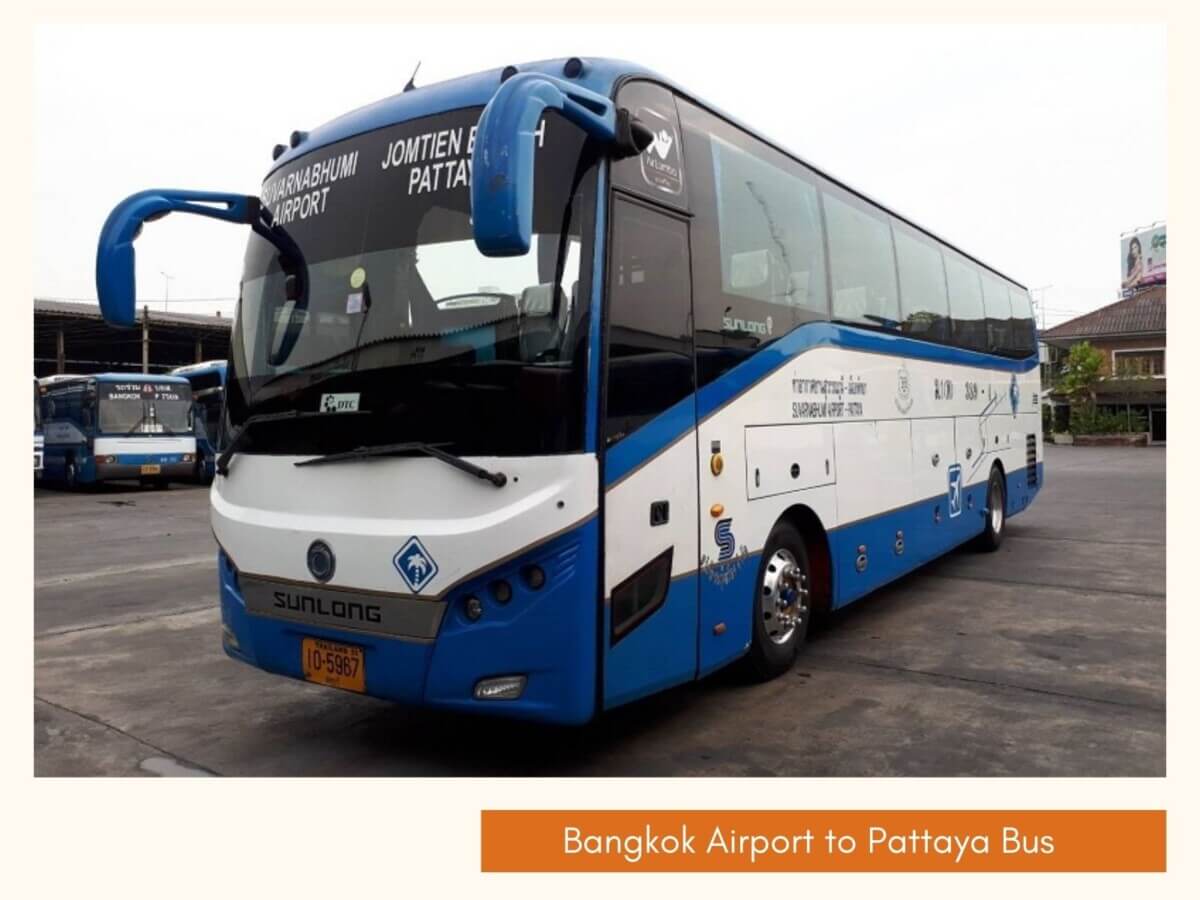
The train-and-ferry combination is the most comfortable overland option. It is not the fastest. Bangkok Airways operates direct flights from Suvarnabhumi Airport to Koh Samui Airport, covering the distance in about 65 minutes. Budget airlines fly from Don Mueang to Surat Thani Airport, from where a bus and ferry connection to Koh Samui takes 3 to 4 hours. The overnight bus-and-ferry combo via Lomprayah is cheaper than the train but less comfortable for sleeping.
For travellers who specifically want the train experience, the Bangkok–Surat Thani sleeper is the reason to choose this route. It is slower than flying, and the bus-ferry connection adds time and uncertainty, but the overnight train is a distinct part of travelling through Thailand by rail rather than over it.
Practical Summary
- Train route: Krung Thep Aphiwat Central Terminal, Bangkok, to Surat Thani (Phun Phin station).
- Train duration: 8h 50m to 10h 46m depending on service.
- Best overnight trains for same-day island connection: Express 85 (departs 19:50, arrives 06:23) and Express 83 (departs 18:50, arrives 04:58).
- Recommended class: Second class AC sleeper, lower berth for more space; first class AC sleeper for privacy.
- Indicative train fare: Second class AC sleeper from 654 THB (upper berth); first class sleeper from 1,132 THB.
- Bus from Surat Thani to Donsak Pier: About 1h 15m to 1h 30m. First departures timed for morning train arrivals.
- Ferry from Donsak to Koh Samui: Seatran and Raja run hourly 05:00–19:00 (1h 30m crossing). Lomprayah catamaran runs two daily sailings (45m crossing).
- Ferry landing piers: Nathon (Seatran and Lomprayah) and Lipa Noi (Raja).
- Combined train + bus + ferry fare: Typically 1,100–1,700 THB ($34–52) for second class AC sleeper.
- Booking: SRT D-Ticket app or website, station ticket windows, or third-party agents. Book sleepers 2–3 weeks ahead in high season.
- Luggage allowance: 40 kg second class, 60 kg first class.
- Key timing constraint: The final ferry from Donsak to Koh Samui leaves in the late afternoon. Morning trains from Bangkok arrive too late for the same-day connection.